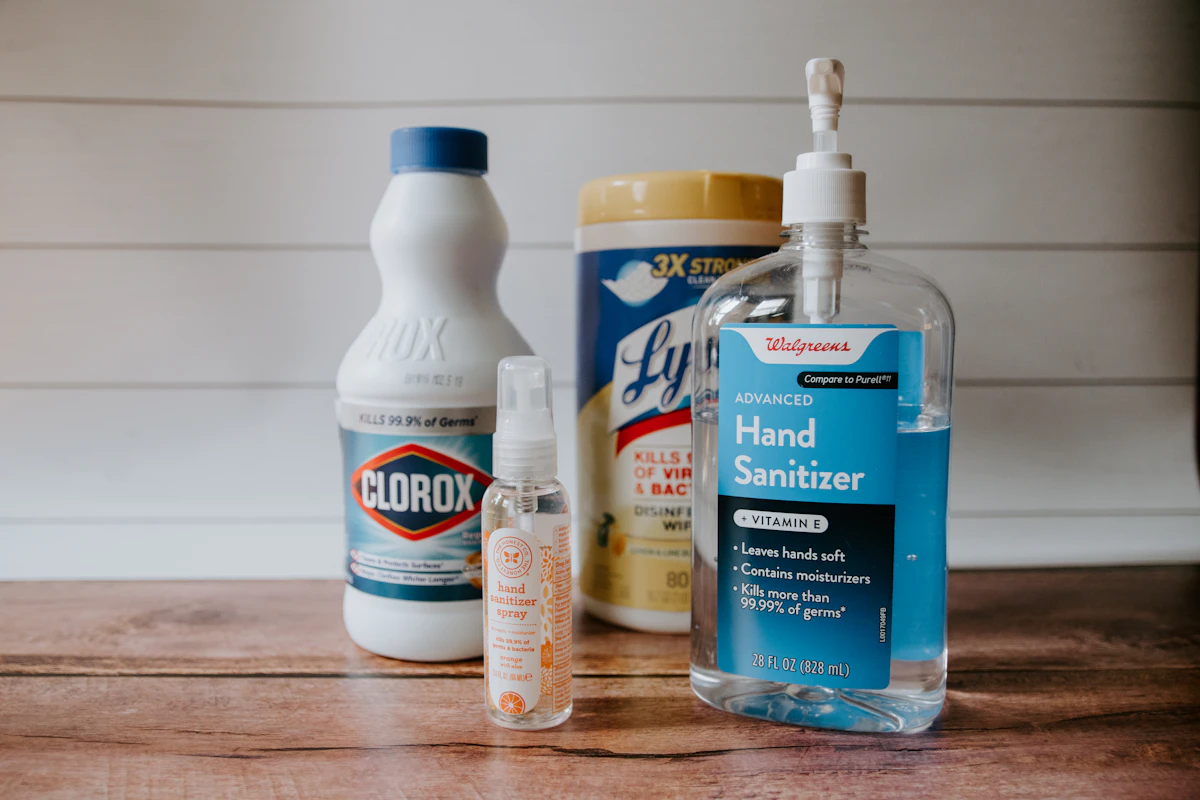
Any device that touches the face or scalp must hold to clinical-grade hygiene standards, especially in back-to-back appointment flows. UV-C sterilization has emerged as the dominant in-device hygiene technology for professional AI scanners because it disinfects between uses in seconds, without chemicals, and without interrupting workflow. Understanding how it works — and what to demand from vendors — is essential for anyone buying shared diagnostic equipment.
Why UV-C Matters for Diagnostic Hygiene
UV-C light — the 200 to 280 nanometer band of ultraviolet — disrupts the DNA and RNA of microorganisms, rendering bacteria, viruses, and fungi unable to replicate. It has a decades-long track record in medical sterilization applications, from hospital operating rooms to water purification. In a beauty diagnostic context, it lets a device surface disinfect in under thirty seconds, which is critical when appointments are booked back-to-back.
The alternative — chemical wipes between uses — is slower, generates waste, and exposes staff to cumulative chemical contact. It also requires drying time and leaves surface residue that can interfere with optical imaging, subtly degrading scan accuracy over time.
UV-C sterilization sidesteps all of this. The device is ready for the next patient almost immediately, surfaces stay clean without residue, and no chemicals enter the clinic waste stream.
What to Check in a Device's UV-C Implementation
Not all UV-C implementations are equal. Buyers should ask three questions. First, does the device cycle UV-C automatically between uses, or does staff have to remember to trigger it? Automatic cycling is the only reliable option in busy environments.
Second, what is the documented dose and duration? Effective sterilization requires a minimum UV-C dose — typically measured in millijoules per square centimeter — over the full sensor surface. Vendors should publish this number. If they cannot, it may not meet clinical thresholds.
Third, is the UV-C source protected during cycling so that it cannot expose staff or clients? Well-designed devices have interlocked cycles that only run when the sensor head is docked in a shielded cradle. Poorly designed ones risk accidental skin or eye exposure.
Integrating Hygiene Into the Patient Experience
Hygiene is not only an operational concern but a visible trust signal. Patients who see a device with a visible UV-C indicator light — or hear a brief sterilization cycle between uses — register the venue as clinically rigorous. Venues that make UV-C a visible part of the experience convert trust faster than venues that keep it behind the scenes.
Signage helps. A small placard on the consultation table reading 'Our scanner sterilizes between every patient with clinical-grade UV-C' does measurable work, especially with older clientele who are sensitive to hygiene signals post-pandemic.
Staff scripts also matter. Training staff to mention sterilization during check-in — 'the scanner sterilizes in the cradle between uses, so it will be ready for your scan in a moment' — turns an operational step into a brand moment.
Calibration Cadence and Scheduled Maintenance
UV-C sterilization between clients is one layer of a sound hygiene protocol, but it is not the only one. The optical sensor and lens array in a professional AI scanner must be calibrated on a regular schedule to maintain diagnostic accuracy. Calibration drift — where the sensor's light source or color reference shifts over time — produces readings that are systematically skewed without triggering any obvious error, meaning staff may not notice unless a structured check is in place.
LŪMIA recommends an operator-level calibration check after every fixed number of scans or at quarterly intervals, whichever comes first. More frequent checks are advised in high-humidity environments such as spas or salon back bars where condensation can affect optical surfaces. Log each calibration event with a date and technician name; that log is the audit trail regulators and insurers will request if a question about diagnostic accuracy ever arises.
Documenting Sanitation for Compliance and Audit
Pharmacies, clinics, and certified beauty professionals increasingly operate under inspection regimes that require documented sanitation records. A UV-C cycle log — recording device ID, client session number, cycle duration, and completion status — provides the evidence trail required for health authority inspections and franchise quality audits. Paper logs are acceptable in low-volume settings; high-volume operators should use digital logging that time-stamps each cycle automatically.
Beyond the log itself, write a short standard operating procedure (SOP) covering the UV-C cycle: when it runs, who is responsible for verifying it, what to do if the cycle fails to complete, and how to escalate. A one-page SOP pinned near the device removes ambiguity and ensures consistency across shift changes. Review and re-sign the SOP annually, or whenever a new device firmware version is deployed.
Sensor Longevity and Replacement Cycles
The UV-C emitter in a professional scanner has a finite service life, typically measured in hours of cumulative exposure. Operators running the scanner for six to eight hours a day should review the manufacturer's emitter lifespan data and plan for replacement before degradation affects sterilization efficacy. A depleted UV-C source may still complete its cycle in the device software without delivering the germicidal dose it was rated for.
Beyond the UV-C emitter, the contact surface — typically an optically clear cover or cup that rests against the client's skin — should be treated as a consumable. Micro-abrasion from repeated use reduces optical clarity and may introduce cross-contamination vectors even when UV-C is functioning correctly. LŪMIA provides guidance on replacement intervals specific to the Becon scanner's scan head to keep the device operating within its validated accuracy range.
Hygiene Communication as a Client Trust Signal
Clients are increasingly hygiene-aware, and operators who communicate their sanitation protocol proactively — rather than waiting for a client to ask — turn a compliance obligation into a competitive advantage. A simple laminated card near the scanner describing the UV-C sterilization cycle, the calibration schedule, and the consumable replacement protocol reassures hesitant clients and signals professional-grade operations.
For skin and scalp analysis, the contact surface question is particularly relevant: clients want to know that the sensor cup on their face or scalp has been sterilized since the previous person. Train staff to mention the UV-C step explicitly as part of the client welcome sequence — 'The scanner runs an automatic sterilization cycle between every client' — rather than hoping clients assume it. That one sentence, delivered naturally, removes a common anxiety before it can become an objection.